

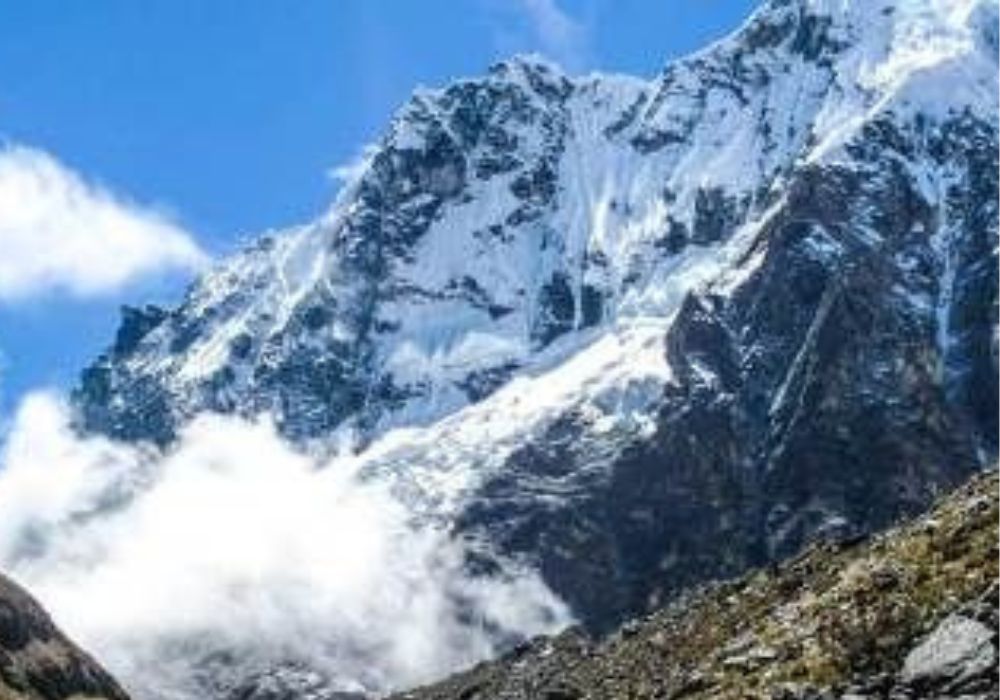
The Salkantay Trek is one of the most rewarding routes to Machu Picchu, taking you past glaciers, cloud forest, and high Andean passes over 4 to 5 days. But because you’ll experience everything from freezing nights at 4,600 meters to humid jungle heat near Aguas Calientes, packing correctly can make or break your trek. This complete Salkantay Trek packing list covers exactly what you need, layer by layer, so you’re prepared for every stage of the journey.
Clothing: Layer for Extreme Temperature Swings
The Salkantay Trek passes through several climate zones in a single day, so layering is essential rather than optional. According to Peru’s National Meteorological and Hydrological Service (SENAMHI), high-altitude areas of the Cusco region regularly see nighttime temperatures drop well below freezing, even outside the coldest months, which is why proper layering is essential rather than optional on this route.
- Base layers: 2–3 moisture-wicking t-shirts and one thermal long-sleeve top to trap warmth without overheating while hiking.
- Insulating layer: A fleece or lightweight down jacket for camp evenings and the Salkantay Pass, where temperatures can drop below freezing.
- Waterproof outer shell: A rain jacket and rain pants are non-negotiable — weather in the Andes changes quickly, especially between November and March.
- Hiking pants: Quick-dry, breathable trousers rather than jeans or heavy cotton.
- Thermal sleepwear: A base layer set dedicated only for sleeping keeps your daytime clothes dry and your nights warmer.
- Warm hat and gloves: Essential for the pass crossing at over 4,600 meters, where wind chill is significant.
- Sun hat and buff/scarf: UV exposure at altitude is intense even on cool days.
- Hiking socks: 3–4 pairs of wool or synthetic blend socks to prevent blisters; avoid cotton.
Footwear
Sturdy, broken-in hiking boots with good ankle support are essential; this is not the trek to test brand-new shoes on. Pack a lightweight pair of sandals or camp shoes to let your feet breathe at the end of each day.
Gear Essentials
- Daypack (30–40L): Large enough for your daily essentials water, snacks, camera, rain gear, since your main duffel is typically carried by porters or mules.
- Sleeping bag: Rated to at least -10°C (14°F) if not provided by your tour operator, since camp nights get very cold.
- Trekking poles: Highly recommended for the steep, loose-gravel descents and the Salkantay Pass ascent.
- Headlamp with spare batteries: Useful for early starts, camp evenings, and emergencies.
- Reusable water bottle or hydration bladder (2–3 liter capacity).
Health and Personal Care
- High-SPF sunscreen and lip balm with SPF: Sun exposure at altitude is far stronger than at sea level.
- Insect repellent: Particularly important on the lower, jungle-adjacent sections near the trek’s end.
- Personal first-aid kit: Blister plasters, altitude sickness medication (consult your doctor beforehand), pain relievers, and any personal prescriptions.
- Hand sanitizer and biodegradable wet wipes: Facilities along the trail are basic.
- Toilet paper: Not always available at rest stops.
Documents and Extras
- Original passport: Required for entry to Machu Picchu copies are not accepted. This requirement is confirmed directly on Peru’s official Ministry of Culture ticketing platform, which states that photocopies of identification documents are not accepted for entry, with exceptions only made in cases of an official police report for a lost or stolen passport.
- Cash in Peruvian soles: For small purchases, tips, and snacks along the route, as ATMs are unavailable on the trail.
- Snacks: Energy bars, nuts, or dried fruit for extra fuel between meals.
- Camera or phone with extra battery/power bank: Charging stations are limited once you leave Cusco.
Final Tip
Pack light but smart. Most tour operators, including Peru Culture Horizons, provide porters or mules to carry the bulk of your gear, with a weight limit typically around 7 kg for your duffel bag, so prioritize the essentials above and leave anything non-essential at your hotel in Cusco.
With the right gear, the Salkantay Trek becomes far more enjoyable, letting you focus on the glacier views, cloud forest, and the incredible arrival at Machu Picchu, rather than battling the cold or blisters along the way.
References
- SENAMHI (Peru’s official National Meteorological and Hydrological Service): www.senamhi.gob.pe
- Peru’s Ministry of Culture The actual official Machu Picchu ticketing platform: https://tuboleto.cultura.pe/
- Peru Culture Horizons: https://peruculturehorizons.com/