

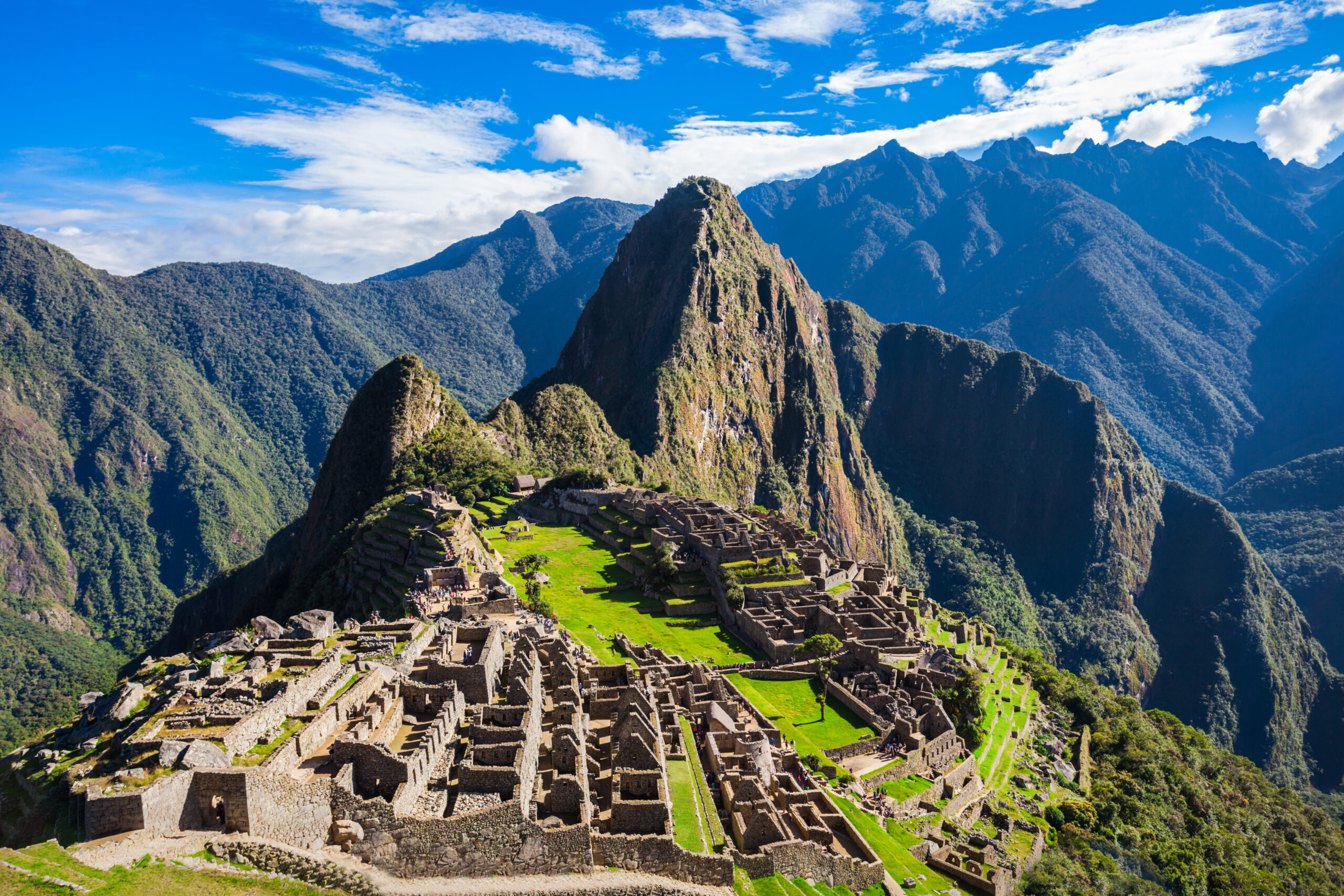
Peru’s trails are some of the most spectacular on earth: glacier-fed lakes, cloud forest, and passes that climb above 4,600 meters. They are also remote, high, and unpredictable. Earlier this month, an experienced Australian hiker was found dead weeks after setting out on a solo trek in Peru’s remote Huayhuash region, according to reports from ABC News and The Independent. His family said he was an experienced hiker, though the trip was one of his first solo journeys. The cause of death has not been reported, and our thoughts are with his family and friends. The story is a sober reminder of how serious the high Andes can be when nobody knows exactly where you are.
None of this means every solo traveler is in danger, and many people hike busy routes safely. But the risks grow quickly with altitude, distance, and isolation. Here are seven reasons booking a local guide is the smartest decision you can make before trekking in Peru.
1. Altitude Sickness Can Hit Anyone
Cusco sits at roughly 3,400 meters, and treks like Salkantay cross passes above 4,600 meters. Fitness does not protect you from altitude sickness, and symptoms can worsen fast. A trained guide knows the early warning signs, such as headache, nausea, and confusion, and can slow the group, descend, or call for help before a problem becomes an emergency. This matters even more on high-altitude outings like a private Vinicunca tour from Cusco, where Rainbow Mountain tops 5,000 meters and a guide can pace your ascent.
2. Remote Trails Mean Limited Communication
Mobile coverage in the Andes is patchy at best. If you twist an ankle alone on a high pass, you may have no way to call anyone. Guided groups travel with an itinerary that others are tracking, plus radios or satellite contact on remote sections, so help knows where to find you.
3. Mountain Weather Changes in Minutes
Sun, hail, and freezing wind can arrive within the same afternoon. Peru’s national weather service, SENAMHI, regularly issues cold and snow alerts for high-altitude areas of Cusco, and guides track these conditions daily. They know when to push on, wait, or reroute.
4. Trails Aren’t Always Marked
Many Andean routes have unsigned junctions, washed-out sections, and landslide-prone slopes, especially in the rainy season from November to April. Local guides walk these trails repeatedly and know current conditions that no map or app can show.
5. Real Emergency Response
Reputable operators carry first-aid kits, emergency oxygen, and evacuation plans, and work with muleteers and local rescue contacts. If something goes wrong, a guide knows what to do in the first critical minutes. Alone, you only have yourself.
6. On Key Routes, It’s Actually the Law
Some of Peru’s most famous routes are legally regulated. The Inca Trail is managed by Peru’s Ministry of Culture and the protected-areas service SERNANP, and permits are only sold through authorized agencies with licensed guides. Entry to the Machu Picchu citadel is also managed through the Ministry of Culture’s official platform, tuboleto.cultura.pe, and visitors are expected to enter with a licensed guide. Rules change often, so always confirm the current requirements before you book.
7. You Experience So Much More
A local guide turns scenery into story: Quechua traditions, Inca engineering, medicinal plants, and the meaning behind each mountain, or apu. Guides also handle permits, porters, camps, and meals, and your money supports local families rather than leaving the region. If you want flexibility without going it alone, private Peru tours let you set the pace with a dedicated guide while keeping the safety net of an organized team.
How to Choose a Guide You Can Trust
Safety depends on who you book with. Before paying, check that your operator is registered with Peru’s tourism ministry, MINCETUR, and its regional office DIRCETUR. Ask about guide licensing, group size, first-aid and oxygen equipment, and the emergency plan. Read recent reviews and confirm the company’s registered business details.
Trek With Confidence
Peru rewards preparation, and the best adventures are the ones you come home from with great stories. At Peru Culture Horizons, our licensed local guides handle the logistics, the safety, and the storytelling so you can focus on the view. Contact us today to plan your guided trek to Machu Picchu, or a private Machu Picchu and Rainbow Mountain tour, and let us take care of the rest.
References
- ABC News, “Melbourne hiker found dead after weeks missing in Peru”: https://www.abc.net.au/news/2026-10-11/jordan-yap-found-dead-melbourne-missing-hiker/107252872
- The Independent, “Missing Australian hiker found dead weeks after embarking on solo trekking trip in Peru” (use your original link)
- Ministry of Culture of Peru, official ticketing platform: https://tuboleto.cultura.pe
- SENAMHI (Peru’s National Meteorological and Hydrological Service): https://www.senamhi.gob.pe
- SERNANP (National Service of Protected Natural Areas): https://www.gob.pe/sernanp
- MINCETUR (Ministry of Foreign Trade and Tourism): https://www.gob.pe/mincetur
Is it safe to trek in Peru alone?
It depends on the route. Busy, well-traveled trails carry lower risk, but remote high-altitude routes can be dangerous because of altitude, rapidly changing weather, and limited communication. Some routes, including the Inca Trail, cannot legally be hiked independently, and a guided trek is strongly recommended for most visitors.
Do I need a guide for Machu Picchu and the Inca Trail?
For the Inca Trail, yes: permits are only issued through authorized operators with licensed guides. For the Machu Picchu citadel, Peru’s Ministry of Culture requires visitors to be accompanied by a licensed guide, though rules are updated periodically. Check the current regulations on the official ticketing platform, tuboleto.cultura.pe, before you travel.
How can I tell if a Peru tour operator is legitimate?
Verify that the company is registered with MINCETUR or DIRCETUR, ask to see its RUC and guide licenses, and review recent independent reviews on platforms like Google and TripAdvisor. A reliable operator will clearly explain its safety equipment, emergency procedures, and group sizes before you pay.